
The Complete Family Health And Wellness Guide For Every Generation
Managing the health and well-being of a modern household is a complex, continuous balancing act. Today’s families often find themselves navigating multi-generational responsibilities simultaneously: raising young children, maintaining adult fitness and career energy, and supporting aging parents through late-life transitions. With so many dynamic needs under one roof or within one extended family network, finding a clear, actionable approach to physical and mental wellness can feel overwhelming.
A successful family health strategy requires a shift from reactive care to a proactive, holistic framework. Rather than addressing health concerns only when an illness or injury arises, families thrive when they build everyday environments that encourage movement, proper nutrition, preventive medical habits, accessibility, and mental clarity. By establishing strong foundations across every age bracket, you create an interconnected ecosystem where every family member has the tools and support needed to flourish.
This comprehensive guide breaks down the essential pillars of family wellness across five distinct stages of life. Through practical advice, actionable lifestyle changes, and structured planning, you can foster long-term vitality, safety, and resilience for every generation in your care.
1. Early Childhood Development and Foundations of Lifelong Health
The early years of a child’s life lay the structural bedrock for their lifelong physical, cognitive, and emotional health. During infancy and early childhood, the brain and body develop at an astounding rate, making establishing healthy habits early one of the greatest gifts a parent can give.
Establishing Nutritious Eating Habits for Young Children
Feeding young children often feels like a constant battle against selective eating and preference for processed snacks. However, early nutritional exposure profoundly influences long-term taste preferences, gut health, and metabolic development.
-
Offer repeated, low-pressure exposure: Children often need to see, smell, or touch a new food ten to fifteen times before feeling comfortable tasting it. Serve small portions of new vegetables alongside familiar favorite foods.
-
Focus on color and texture variety: Engage young minds by serving colorful, nutrient-dense foods such as berries, avocado slices, steamed carrots, and leafy greens transformed into smoothies.
-
Establish predictable meal structures: Set regular times for meals and snacks to teach children how to tune into their natural hunger and fullness cues, rather than grazing continuously on low-nutrient options throughout the day.
-
Model healthy behaviors: Children mimic adult choices. When parents regularly sit down to enjoy whole grains, lean proteins, and fresh produce, young children naturally view those foods as normal and desirable.
Integrating Movement and Socialization into Daily Routines
Physical movement in early childhood is fundamental for gross motor development, balance, bone density, and social interaction. Free play combined with structured environments helps young children learn how their bodies move through space while building confidence.
Enrolling young children in structured early learning environments, such as community toddler preschools, provides an excellent foundation where physical movement, cooperative play, and routine are seamlessly integrated into early learning. Beyond organized settings, building screen-free movement zones at home ensures that physical activity remains an integral part of their daily life. Simple activities like obstacle courses made from couch cushions, daily park visits, tag, and dance sessions help develop coordination and cardiovascular endurance without feeling like structured exercise.
Practical Tips for Parents on Navigating Early Health Milestones
Navigating early pediatric care requires active tracking and clear communication. Parents must manage developmental benchmarks, sleep schedules, immunizations, and emotional growth without becoming overwhelmed by conflicting advice.
Relying on a trusted, evidence-based guide for parents can help streamline pediatric milestones, offering clear clarity on what to expect during major physical and cognitive leaps. Keep a dedicated digital folder or physical journal to record sleep patterns, dietary changes, growth charts, and any subtle health questions that arise between check-ups. Establishing a calming bedtime routine—incorporating warm baths, storytime, and dim lights—helps regulate melatonin production, ensuring that developing brains get the nine to twelve hours of nightly sleep necessary for growth and immune health.
2. Adult Fitness, Recovery, and Preventive Care Strategies
For adults in the prime of their careers and parenting years, personal health often takes a backseat to professional demands and household logistics. However, maintaining adult physical strength, cardiovascular endurance, and stress resilience is the engine that keeps the entire family functioning smoothly.
Designing Sustainable Workout Environments
Finding time to exercise consistently as a busy adult requires minimizing friction. Whether training at a local facility or creating a home setup, the environment plays a critical role in long-term adherence.
When selecting a fitness facility, look for spaces that reflect modern commercial gym design standards, featuring functional movement areas, ample floor space, high-quality air filtration systems, and well-maintained strength equipment. Facilities built with these elements in mind facilitate safe, efficient workouts that reduce injury risk and maximize time spent training. For times when getting to a public facility is impractical, establish a dedicated micro-gym space at home. A minimal setup featuring kettlebells, resistance bands, a foam roller, and a yoga mat allows for highly effective thirty-minute sessions that fit into early mornings or lunch breaks.
Combining Preventive Medicine with Active Self-Care
Preventive healthcare is the single most effective tool adults have for avoiding chronic metabolic conditions, cardiovascular disease, and systemic inflammation. Annual physical exams, detailed blood panels, and routine screenings should be non-negotiable calendar events.
Alongside traditional medical check-ups, therapeutic recovery strategies help mitigate the cumulative effects of chronic stress, high-intensity workouts, and long hours at a desk. Incorporating professional skin treatments, deep-tissue therapies, and stress-reduction protocols through a clinical med spa setting can provide targeted relief for physical tension, promote cellular recovery, and improve circulation. Balancing active strength training with intentional physical recovery helps sustain long-term energy levels and prevents premature physical burnout.
Work-Life Balance and Burnout Prevention
Chronic stress elevates cortisol levels, disrupts sleep architecture, and weakens the immune system over time. Adult health strategies must address mental fatigue alongside physical conditioning.
-
Establish firm digital boundaries: Turn off work notifications at a set hour each evening to allow your nervous system to transition out of a high-alert state.
-
Prioritize daily mobility and breathwork: Dedicate five to ten minutes each morning or evening to gentle spinal movement and deep diaphragmatic breathing to lower heart rate and clear mental fatigue.
-
Hydrate strategically: Dehydration is a common, hidden cause of midday fatigue, headaches, and brain fog. Aim for half your body weight in ounces of water daily, increasing intake during hot weather or intense physical activity.
3. Youth Athletics, Group Sports, and Physical Conditioning
As children transition into middle school, high school, and young adulthood, physical activity typically shifts from general play to organized athletics and group sports. While sports foster discipline, teamwork, and physical fitness, they also introduce unique demands on growing bodies.
Choosing the Right Sports for Long-Term Physical Development
Early sports specialization—focusing exclusively on one sport year-round—has contributed to a dramatic rise in overuse injuries and psychological burnout among young athletes. Encouraging sport diversity builds a well-rounded athletic foundation.
Participating in structured, multi-directional activities such as a community tennis program develops rapid agility, hand-eye coordination, balance, and mental focus without the constant repetitive impact associated with single-direction sports. Mixing individual skill-based sports with team sports ensures that young athletes develop diverse motor patterns, spatial awareness, and strategic thinking. Cross-training across different seasonal activities keeps exercise enjoyable and protects developing joints from repetitive strain.
Managing Athletic Injuries and Recovery
Young, growing bodies are particularly vulnerable to growth plate stress, tendon inflammation, and muscle imbalances. Parents and coaches must prioritize injury prevention, early identification, and structured recovery protocols.
Navigating Legal and Medical Steps After Accidental Sports or Traffic Injuries
Despite best prevention efforts, severe sports impacts, bicycle crashes, or motor vehicle accidents involving active youths do occur. Knowing how to handle the immediate and long-term aftermath is crucial for protecting your family’s health and financial stability.
Immediately following a severe impact, prioritize emergency medical evaluation to screen for hidden concussions, internal trauma, or structural fractures. Once stable medical care is underway, families navigating complex recovery processes after serious third-party or facility negligence may need to consult a qualified injury lawyer to handle insurance claims and secure resources for extended rehabilitation. Taking deliberate, informed steps after a major trauma ensures that your child receives comprehensive long-term medical care without unnecessary financial strain on the household.
4. Primary Healthcare and Preventive Family Medicine
A strong, ongoing relationship with primary healthcare providers serves as the central hub for your entire family’s medical care. Having trusted professionals who understand your household’s unique medical histories simplifies managing routine check-ups, sudden illnesses, and chronic health conditions.
Finding the Right Primary Care Partner for the Whole Household
Selecting a primary care environment that accommodates every stage of life reduces administrative hassle and creates continuity of care as children mature into adults and parents age into senior status.
Choosing a multi-specialty family medical center allows families to centralize their care, offering access to pediatricians, general practitioners, and diagnostic services in one coordinated network. This integrated model ensures that health records, lab results, and care plans are shared seamlessly across providers, reducing redundant testing and miscommunication. When evaluating healthcare facilities, consider appointment availability, after-hours urgent care options, online portal usability, and the staff’s approach to preventive wellness.
Streamlining Routine Appointments and Records
Navigating busy medical practices efficiently requires organization and proactive communication. Maximizing the value of each check-up ensures that subtle health shifts are caught early.
Before taking a family member to a doctor office visit, prepare a written or digital summary detailing current medications, recent symptoms, sleep patterns, and specific health questions you wish to discuss. This focused approach helps the healthcare team address your primary concerns efficiently during your appointment. Additionally, utilize patient portals to maintain up-to-date digital copies of immunization records, growth charts, lipid panels, and baseline blood work so that critical health data is readily accessible whenever specialized care is needed.
Building Emergency Preparedness Kits and Plans
Every home should be equipped to handle minor medical incidents and stay prepared for acute health emergencies before professional help arrives.
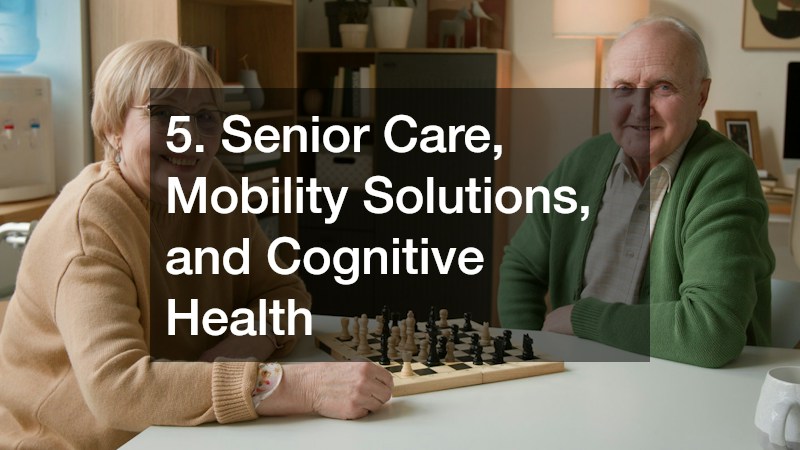
5. Senior Care, Mobility Solutions, and Cognitive Health
Supporting aging parents and relatives is one of the most meaningful, yet complex, aspects of multi-generational family care. Prioritizing dignity, physical safety, cognitive support, and independence allows seniors to age comfortably while receiving necessary assistance.
Supporting Cognitive Health and Specialized Memory Support
Cognitive changes in older adults require compassionate, informed management. Distinguishing between mild, age-related forgetfulness and progressive neurological conditions is the first step in building an effective care environment.
When an aging family member receives a neurodegenerative diagnosis, securing specialized alzheimers care provides structured daily routines, memory-stimulating activities, and physical safety measures designed to minimize anxiety and confusion. These specialized care pathways focus on maintaining familiar environments, simplifying daily tasks, and encouraging social interaction, which together help slow functional decline and preserve quality of life. Educating the extended family about cognitive conditions fosters empathy and helps everyone communicate more effectively with their loved one.
Enhancing Accessibility and Mobility Solutions
Physical mobility directly impacts a senior’s independence, self-esteem, and safety. Falling is a leading cause of severe injury in older adults, making proactive home and transportation modifications essential.
To maintain community integration and smooth transit for doctor visits or family gatherings, equipping vehicles with adaptive car wheelchair lifts allows individuals with limited leg strength or mobility devices to travel comfortably and safely. In the home, installing non-slip flooring, zero-threshold showers, continuous hallway handrails, bright motion-sensor lighting, and wide doorways significantly reduces trip hazards. Taking these proactive physical steps allows aging relatives to move freely throughout their living spaces without constant fear of falling.
Fostering Social Connection and Emotional Well-Being for Seniors
Isolation and loneliness are significant, often overlooked health risks for seniors, linked to higher rates of depression, cognitive decline, and cardiovascular issues. Maintaining active social bonds is just as critical as managing physical prescriptions.
Using This Guide for Health and Wellness
Building a healthy, resilient household across multiple generations is not about achieving perfection overnight. Instead, it is an ongoing practice rooted in small, intentional choices that accumulate over time. When you invest in early childhood nutrition, maintain adult physical fitness, support youth athletic safety, establish strong primary healthcare partnerships, and create safe, dignified environments for aging relatives, you build a lasting foundation for total family wellness.




Related Posts

Why Wellness is a Continuum – Steps to a Healthier Lifestyle

What Are the Benefits of a Physically Active Lifestyle?