Comprehensive Self-Care Options for Body and Mind Wellness

What Comprehensive Self-Care Really Means
Self-care has evolved far beyond the idea of occasional pampering or taking time off when stress becomes overwhelming. Today, it represents an intentional, proactive approach to supporting both physical health and mental well-being over the long term. Comprehensive self-care recognizes that the body and mind are deeply connected, and that improvements in one area often lead to meaningful changes in the other.
Rather than relying on a single solution, a holistic approach looks at multiple dimensions of wellness: movement, nutrition, appearance, immune function, emotional health, and confidence. When these elements are addressed together, individuals are often better equipped to manage stress, prevent future issues, and feel more comfortable and confident in their own bodies.
This guide explores a wide range of modern self-care options and explains how they can work together to support overall wellness. The goal is not to promote one-size-fits-all solutions, but to help readers understand their options and make informed decisions based on personal needs, goals, and lifestyle.
Build a Strong Wellness Foundation With Coordinated Care
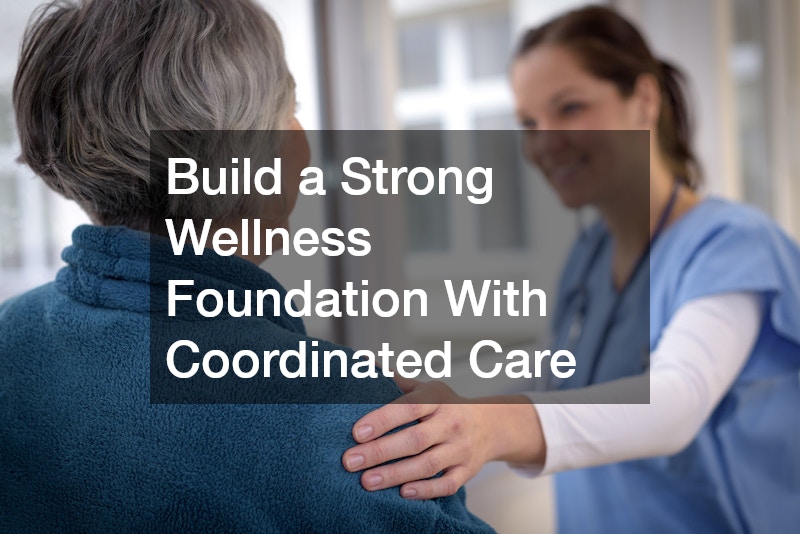
True self-care begins with understanding your baseline health and identifying areas that need support. Many people benefit from starting with a coordinated approach that looks at the whole person rather than isolated symptoms. A medical wellness clinic often serves as a central hub for this type of care, offering evaluations that consider physical health, lifestyle factors, and long-term wellness goals.
In addition to traditional medical assessments, many individuals explore complementary approaches that align with their values and preferences. Alternative therapy can play a role in addressing stress, supporting emotional balance, and encouraging the body’s natural healing processes when used thoughtfully and under professional guidance.
Actionable steps to build a strong foundation include:
-
Clarifying your primary wellness goals, such as increased energy, reduced pain, or improved confidence
-
Gathering your health history, including past treatments and current concerns
-
Asking providers how different services can work together rather than overlap or conflict
-
Setting realistic timelines for progress instead of expecting immediate results
When care is coordinated, individuals often experience better outcomes because treatments are aligned with a unified plan rather than scattered efforts.
Improve Alignment, Reduce Pain, and Support Daily Function
Daily discomfort, stiffness, or recurring pain can quietly undermine overall wellness. These issues may affect sleep, concentration, mood, and even motivation to stay active. Addressing physical alignment and movement patterns is a practical form of self-care that can produce noticeable improvements in quality of life.
A chiropractic clinic focuses on musculoskeletal health, particularly the spine and joints, to support proper alignment and nervous system function. Regular care may help reduce tension, improve mobility, and enhance overall physical performance.
Helpful strategies for maximizing benefits include:
-
Paying attention to posture during work, driving, and screen time
-
Combining in-office care with stretching or strengthening exercises at home
-
Addressing small issues early before they become chronic problems
-
Communicating clearly with providers about daily activities and pain triggers
By supporting the body’s structure and movement, individuals often find it easier to maintain other self-care routines such as exercise, stress management, and restful sleep.
Strengthen Your Immune System Through Proactive Wellness

A resilient immune system plays a key role in overall wellness, influencing energy levels, recovery time, and resistance to illness. Proactive strategies focus on supporting the body before problems arise, rather than reacting only when symptoms appear.
Some individuals explore IV therapy for immune system support as part of a broader wellness plan. This approach delivers nutrients directly into the bloodstream, which may be beneficial for people with absorption issues, high stress levels, or increased physical demands. Others consider peptide therapy to support cellular communication and overall balance under medical supervision.
To approach immune-focused care responsibly:
-
Discuss your health history and current medications with a qualified provider
-
Use these options to complement, not replace, healthy habits like sleep and nutrition
-
Monitor how your body responds and adjust frequency as needed
-
Avoid overuse by focusing on long-term balance rather than quick fixes
When combined with lifestyle changes, proactive immune support can be an effective component of comprehensive self-care.
Address Hidden Triggers That Impact Energy and Mental Clarity
Persistent fatigue, digestive discomfort, brain fog, or skin issues are sometimes linked to underlying sensitivities rather than obvious illnesses. Identifying and addressing these hidden triggers can significantly improve both physical comfort and mental clarity.
Working with a food allergy specialist can help uncover reactions or intolerances that may otherwise go unnoticed. Through testing, elimination diets, and guided reintroduction, individuals can gain clearer insight into how specific foods affect their bodies.
Practical steps for managing sensitivities include:
-
Keeping a detailed food and symptom journal
-
Following structured elimination protocols rather than guessing
-
Learning how to read ingredient labels carefully
-
Developing sustainable eating habits that don’t feel overly restrictive
Reducing inflammatory triggers often leads to improved digestion, steadier energy, and better emotional balance, reinforcing the connection between nutrition and overall wellness.
Enhance Confidence Through Preventive and Cosmetic Dental Care
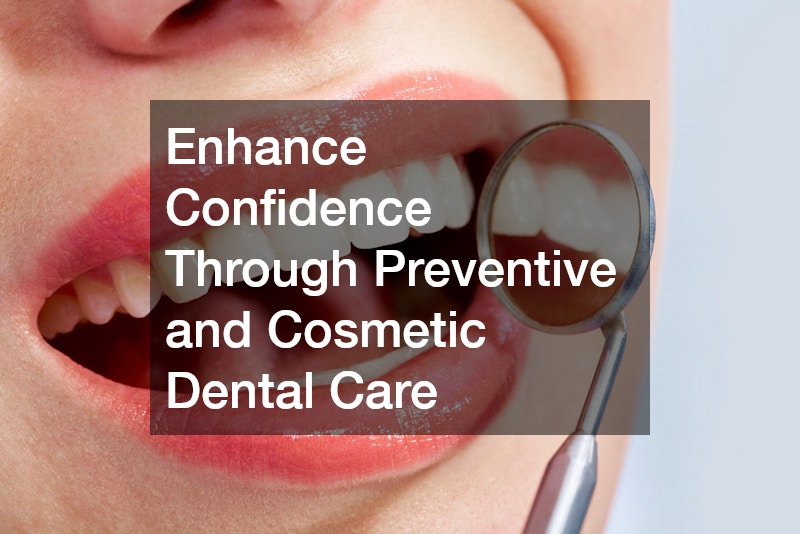
Oral health is closely tied to self-confidence, comfort, and overall well-being. Discomfort, functional issues, or dissatisfaction with appearance can influence how people speak, smile, and interact socially.
For some, cosmetic improvements such as teeth-whitening can provide a noticeable confidence boost, especially when discoloration affects self-esteem. Others may require oral surgery to address functional concerns, pain, or long-term oral health issues that go beyond aesthetics.
Consider the following when evaluating dental care options:
-
Prioritize treatments that improve function as well as appearance
-
Understand the long-term maintenance required for cosmetic results
-
Address discomfort or structural issues promptly to prevent complications
-
Choose providers who explain risks, benefits, and recovery clearly
When oral health concerns are resolved, many people feel more comfortable engaging socially and focusing on other aspects of self-care.
Use Non-Invasive Aesthetic Treatments to Support Self-Care Goals
Feeling comfortable in your appearance can be an important part of mental and emotional well-being. Non-invasive aesthetic options allow individuals to support their self-care goals without significant downtime or surgical intervention.
A med spa often offers treatments focused on skin health, body contouring, and rejuvenation. These services can complement broader wellness efforts by encouraging consistency, accountability, and self-awareness.
Tips for making the most of aesthetic treatments include:
-
Setting clear goals based on personal preferences, not external pressure
-
Understanding the difference between maintenance treatments and corrective procedures
-
Coordinating aesthetic care with healthy lifestyle changes
-
Avoiding over-treatment by focusing on subtle, natural-looking results
When approached thoughtfully, non-invasive options can reinforce confidence and motivation as part of a balanced self-care routine.
Make Informed Decisions About Body Contouring Procedures

Some individuals consider surgical options after consistent lifestyle changes—such as diet, exercise, and stress management—have not fully resolved specific physical concerns. In these cases, body contouring procedures may support self-care goals when they are approached thoughtfully and grounded in realistic expectations. Rather than being viewed as a shortcut, surgery is most effective when it complements long-term wellness efforts and addresses concerns that cannot be changed through habits alone.
A tummy tuck is often discussed in relation to physical changes following pregnancy or substantial weight loss, when stretched skin or weakened abdominal muscles do not respond to traditional fitness routines. For certain individuals, this procedure may improve physical comfort by reducing irritation, posture strain, or limitations during movement. It can also positively affect confidence when excess tissue becomes a source of frustration or self-consciousness. However, meaningful outcomes depend on careful planning, a clear understanding of the process, and adequate recovery time.
Key factors to evaluate include:
-
Physical readiness and overall health status
Surgery places stress on the body, making overall health a critical consideration. Factors such as stable weight, nutritional status, and the absence of unmanaged medical conditions influence both safety and recovery. Preoperative evaluations help determine whether the body is prepared to heal effectively and reduce the risk of complications. -
Emotional motivations and expectations
Understanding why you are considering surgery is just as important as assessing physical readiness. Surgical options are best suited for addressing specific concerns rather than resolving deeper issues related to self-image or emotional well-being. Clear, realistic expectations about outcomes help prevent disappointment and support long-term satisfaction. -
Time needed for recovery and support
Recovery requires both time and planning. Limited mobility, activity restrictions, and the need for assistance during the early healing period should be anticipated in advance. Preparing for time away from work, childcare responsibilities, or physical demands helps reduce stress and supports a smoother recovery process. -
Commitment to maintaining results through healthy habits
Long-term results depend heavily on continued lifestyle choices. Nutrition, movement, and weight stability all play a role in preserving outcomes. Viewing surgery as a starting point rather than a final solution reinforces accountability and supports lasting benefits.
Surgical options should be viewed as one component of a larger self-care strategy, not a replacement for ongoing wellness practices. When integrated thoughtfully, they can support comfort and confidence while reinforcing the importance of sustained, healthy habits.
Create a Sustainable Self-Care Plan That Evolves With You
Comprehensive self-care is not static because the factors that influence well-being are constantly evolving. Physical needs shift with age as metabolism, recovery time, and energy levels change. Lifestyle adjustments such as new work demands, family responsibilities, or changes in routine can alter how much time and attention self-care requires. Stress levels may fluctuate due to external pressures, while personal goals often mature as priorities and values shift. A sustainable plan recognizes these changes and adapts accordingly, allowing self-care to remain effective and realistic rather than rigid or overwhelming.
Strategies for long-term success include:
-
Reassessing goals periodically and adjusting priorities
What worked six months or a year ago may no longer align with your current needs. Regular check-ins help determine whether goals still serve your overall well-being or need refinement. This might mean shifting focus from performance to recovery, from appearance to comfort, or from intensive routines to maintenance-based care. Adjusting priorities prevents burnout and ensures self-care remains supportive rather than demanding. -
Tracking progress through how you feel, not just physical changes
Measurable outcomes can be helpful, but they don’t always reflect meaningful improvements. Energy levels, sleep quality, mood stability, focus, and stress resilience often provide clearer insight into whether a plan is working. Paying attention to these internal cues encourages a more balanced perspective and reduces frustration when visible changes happen slowly or plateau. -
Balancing professional treatments with daily habits
Professional services can offer valuable support, but their impact is strongest when reinforced by consistent daily behaviors. Movement, hydration, nutrition, sleep, and stress management form the foundation that allows other efforts to be effective. Viewing professional care as a supplement rather than a substitute helps maintain progress between appointments and supports long-term results. -
Knowing when to pause or simplify rather than adding more
More is not always better. Overloading a self-care routine can increase stress and make it harder to stay consistent. Recognizing signs of fatigue, overwhelm, or diminishing returns allows you to step back, reduce complexity, and refocus on what truly helps. Simplifying can restore balance and make self-care feel manageable again.
Sustainability comes from listening to your body and responding thoughtfully, rather than chasing every new trend or solution. By prioritizing awareness, flexibility, and consistency, self-care becomes an adaptive practice that supports well-being through changing circumstances instead of a checklist that must be constantly expanded.
Conclusion: Bringing Body and Mind Wellness Together
Comprehensive self-care is about more than individual treatments or temporary improvements because true wellness is built through consistent awareness and intentional choices over time. Understanding your body involves recognizing patterns in energy levels, stress responses, and physical discomfort, as well as acknowledging how emotional health influences those experiences. Supporting mental health is equally important, as stress, burnout, and emotional strain can undermine even the most well-planned physical care routines. Making choices that align with long-term well-being means prioritizing sustainability, balance, and personal values rather than quick fixes or short-term results.
When approached with intention, self-care becomes a powerful tool for improving both quality of life and confidence. Intentionality encourages individuals to engage with their care actively—asking questions, setting realistic goals, and evaluating outcomes based on how they feel and function in daily life. This mindful approach helps build trust in the process, reduces frustration, and reinforces a sense of control over personal health. As physical comfort and emotional resilience improve, confidence often follows naturally, supported by a deeper sense of self-awareness and stability.
By combining informed decision-making with coordinated care, individuals can create a personalized path that supports resilience, balance, and lasting wellness. Informed decision-making allows people to weigh benefits, risks, and long-term implications before committing to any option, while coordinated care ensures that different aspects of wellness work together rather than in isolation. This integrated approach helps adapt self-care strategies as needs change, making wellness a dynamic, supportive practice that evolves alongside life’s demands.

Related Posts

When Is the Time Right for Assisted Living?
cold laser therapy