How to Make Aloe Vera Juice for Glowing Skin and Luscious Hair

- Aloe Vera Juice Hydrates and Nourishes from Within: Over 90% water content and essential vitamins/minerals keep skin plump, hair strong, and cells healthy.
- Rich in Vitamins, Minerals, and Antioxidants: Vitamins A, C, E, B-complex, calcium, magnesium, and zinc support glowing skin, collagen production, and hair growth.
- Supports Skin Health: Regular consumption reduces inflammation, accelerates healing, maintains hydration, and helps combat signs of aging like fine lines and wrinkles.
- Promotes Hair Strength and Shine: Nourishes follicles, reduces dandruff, balances scalp pH, and encourages new hair growth for healthier, shinier hair.
- Simple Step-by-Step Preparation: Making aloe vera juice at home involves selecting fresh leaves, extracting gel, blending with water, straining, adding optional flavors, and proper storage.
- Safety and Moderation Matter: Avoid the yellow latex layer, monitor intake, and consult a doctor if pregnant, breastfeeding, or diabetic to prevent adverse effects.
- Versatile and Customizable Uses: Beyond drinking, aloe vera juice can be added to smoothies, detox drinks, iced beverages, or used in DIY hair and face treatments for enhanced benefits.
Aloe vera is one of nature’s most versatile plants. From soothing sunburns to promoting digestion, this plant is a powerhouse of nutrients. But did you know that aloe vera juice can be a game-changer for your skin and hair? In this article, we’ll explore how to make aloe vera juice at home, why it benefits your beauty routine, and tips to maximize its effects.
Why Aloe Vera Juice Is a Beauty Essential
Aloe vera isn’t just a trendy plant—it’s a natural powerhouse for your skin and hair. Drinking aloe vera juice delivers nutrients directly to your body, nourishing you from the inside out. Let’s break down why this simple drink can make a big difference:
Hydration: More Than Just Water
Aloe vera juice is over 90% water, which helps your body stay hydrated at the cellular level. Hydrated cells mean softer, plumper skin and hair that’s less prone to dryness or breakage. Unlike sugary drinks, aloe vera juice replenishes moisture while delivering nutrients, making it a true beauty drink from the inside.
Vitamins and Minerals: Essential Nutrients for Skin and Hair
Aloe vera juice is packed with vitamins and minerals that support healthy skin and hair. Key nutrients include:
- Vitamin A: Promotes cell turnover for smooth, glowing skin.
- Vitamin C: Boosts collagen production, helping skin stay firm.
- Vitamin E: A powerful antioxidant that protects against environmental stress.
- B-Complex Vitamins: Supports hair growth and prevents hair thinning.
- Calcium, Magnesium, Zinc: Strengthen hair follicles and maintain healthy scalp function.
By drinking aloe vera juice regularly, you’re giving your skin and hair the nutrients they need to thrive naturally.
Antioxidants: Protecting Against Aging
Free radicals from pollution, UV rays, and stress can damage your skin and hair, causing premature aging. Aloe vera is rich in antioxidants, which neutralize these harmful molecules and prevent oxidative damage. This helps maintain youthful, radiant skin and strong, healthy hair.
Collagen Boost: Firmer, More Elastic Skin
Collagen is the protein that keeps your skin firm and elastic. Aloe vera contains compounds that support collagen production, which means drinking aloe vera juice can help reduce fine lines, wrinkles, and sagging skin over time. Think of it as a natural, internal facelift.
Hair Health: Strength from the Root
The benefits of aloe vera extend to your hair as well. Aloe vera juice helps strengthen hair follicles, reduces dandruff, and promotes shine. Its amino acids provide nourishment for thicker, healthier hair, while its anti-inflammatory properties keep your scalp calm and balanced.
In short, incorporating aloe vera juice into your daily routine isn’t just a health boost—it’s a way to give your skin and hair the care they deserve from the inside out.
What You’ll Need to Make Aloe Vera Juice
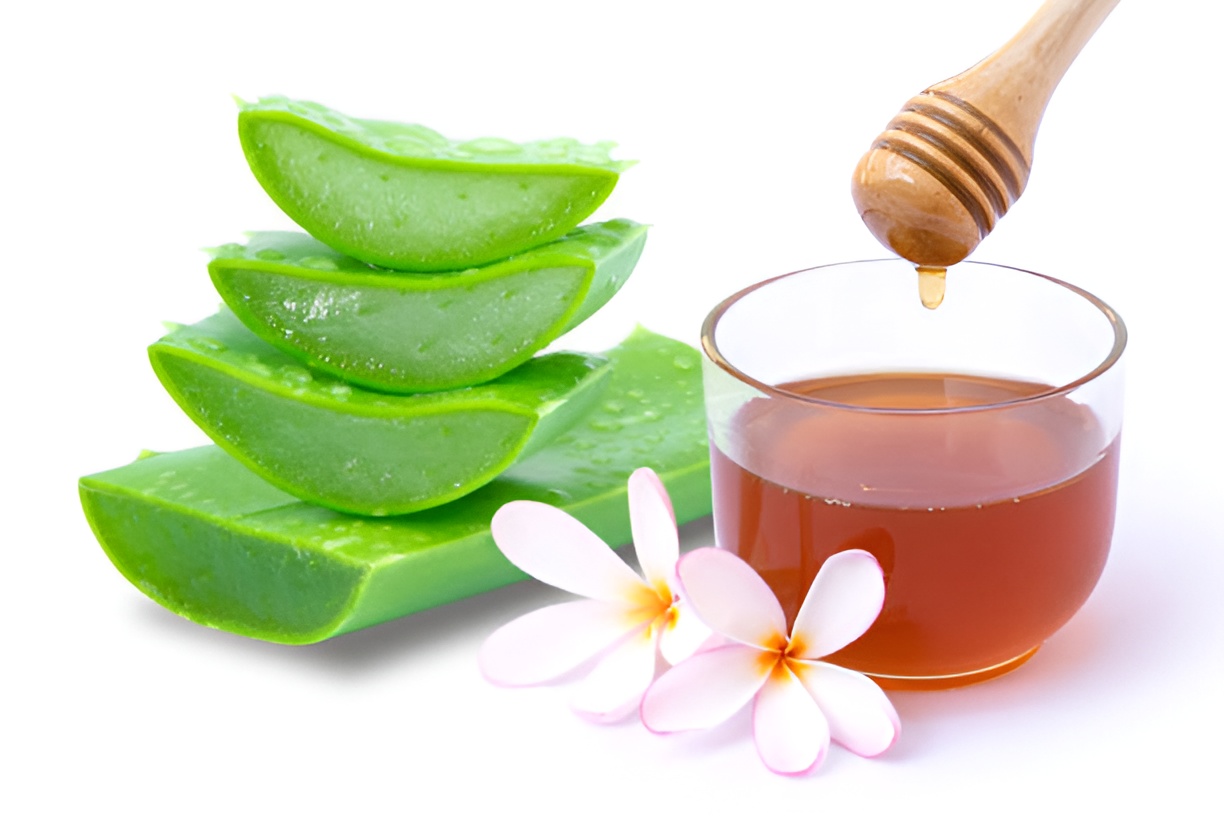
Before diving into how to make aloe vera juice, it’s important to gather your ingredients and tools. Preparation ensures the juice is fresh, safe, and packed with nutrients.
Ingredients
- 2–3 large aloe vera leaves (fresh is best): Fresh leaves provide maximum gel content and nutrients.
- 1 cup of water (filtered or coconut water for extra hydration): Coconut water adds electrolytes and a subtle sweetness.
- Optional flavor additions: Lemon juice, honey, or ginger can enhance taste while providing additional health benefits.
Tools
- A sharp knife: For cutting leaves safely and precisely.
- Spoon or butter knife: To scoop out the gel without wasting it.
- Blender or food processor: To blend the gel into a smooth juice.
- Fine mesh strainer or cheesecloth: Removes fibrous bits for a smooth, easy-to-drink juice.
- Glass jar or bottle for storage: Keeps juice fresh and prevents contamination.
Having everything ready before starting makes the process smoother and ensures your aloe vera juice is both safe and delicious.
Step-by-Step Guide: How to Make Aloe Vera Juice
Learning how to make aloe vera juice is simple if you follow each step carefully. The trick is to avoid the yellow latex layer, which can taste bitter and cause digestive discomfort.
Step 1: Select Fresh Aloe Vera Leaves
- Look for firm, thick leaves on the outer part of the plant—they’re more mature and nutrient-rich.
- Avoid leaves that are wilted, brown, or dried out, as they won’t provide quality gel.
- The fresher the leaf, the higher the nutrient content in your juice.
Step 2: Wash and Trim
- Rinse leaves thoroughly under cool water to remove dirt and debris.
- Use a sharp knife to trim the spiky edges on both sides.
- Slice off the base of the leaf where it was attached to the plant. Clean trimming reduces the risk of contamination and improves ease of handling.
Step 3: Extract the Gel
- Cut each leaf lengthwise down the middle.
- Scoop out the clear gel with a spoon or knife, being careful to avoid the yellow latex beneath the leaf skin.
- The gel is your goldmine—it’s packed with vitamins, minerals, and enzymes that promote skin and hair health.
Step 4: Blend with Water
- Place the gel in a blender.
- Add 1 cup of water (or coconut water for added electrolytes).
- Blend until smooth and frothy, which helps make the juice easy to drink and digest.
Step 5: Strain for Smoothness
- Pour the blended mixture through a fine mesh strainer or cheesecloth.
- This step removes any fibrous bits and ensures a silky-smooth juice that’s pleasant to sip.
Step 6: Add Flavor (Optional)
- Lemon juice: Adds a refreshing tang and extra vitamin C.
- Honey or maple syrup: Sweetens naturally without refined sugar.
- Fresh ginger: Offers anti-inflammatory benefits and a spicy kick.
Flavoring makes aloe vera juice more enjoyable, especially for those new to its natural taste.
Step 7: Store Properly
- Store juice in a clean, airtight glass jar or bottle in the refrigerator.
- Consume within 3–5 days to maintain freshness and nutrient content.
- Shake well before drinking, as natural separation can occur.
How Often Should You Drink Aloe Vera Juice?
Consistency is key to seeing the skin and hair benefits of aloe vera juice. Here’s a guide for daily consumption:
- Start small: Begin with 1–2 tablespoons per day to see how your body reacts.
- Gradual increase: Work up to ½ cup per day for maximum benefits.
- Best timing: Drink on an empty stomach in the morning for better absorption of nutrients.
Regular intake helps maintain hydration, supports hair follicle strength, and improves skin texture over time.
Can Aloe Vera Juice Improve Skin Health?
Yes, aloe vera juice works from the inside out to improve skin health. Its combination of antioxidants, vitamins, and enzymes promotes healing, hydration, and radiance.
Key Skin Benefits
- Reduces Inflammation: Aloe vera soothes acne, irritation, and redness.
- Hydration: Keeps skin plump and soft by delivering moisture to cells.
- Healing Properties: Accelerates recovery from minor burns, cuts, and irritation.
- Anti-Aging Effects: Stimulates collagen and elastin production, reducing fine lines and wrinkles.
Tips to Maximize Skin Benefits
- Pair aloe vera juice with a diet rich in fruits, vegetables, and lean proteins.
- Drink at least 2 liters of water daily to maintain overall hydration.
- Use topical aloe vera gel alongside the juice for extra hydration and soothing effects.
If you combine internal and external care, your skin reaps the full benefits of aloe vera.
How Aloe Vera Juice Supports Hair Growth

Healthy hair starts from within. Aloe vera juice nourishes the scalp and strengthens hair follicles to promote thicker, shinier strands.
Hair Benefits
- Reduces Dandruff: Anti-inflammatory properties calm an itchy, flaky scalp.
- Promotes Shine: Vitamins and amino acids support healthy hair cuticles.
- Strengthens Follicles: Prevents breakage and encourages new hair growth.
- Balances pH: Maintains a healthy scalp environment, reducing excess oil and dryness.
DIY Hair Treatments Using Aloe Vera Juice
- Mix aloe vera juice with coconut oil and massage into the scalp to stimulate growth and hydration.
- Add a small amount to your conditioner for an extra boost of moisture.
- Use as a natural hair rinse to enhance shine and manageability after shampooing.
Regular consumption paired with topical applications can transform dry, brittle hair into soft, healthy, and lustrous locks.
Common Mistakes When Making Aloe Vera Juice
Even though making aloe vera juice is simple, some mistakes can reduce its effectiveness or make it unpleasant to drink:
- Using the Latex Layer: Causes a bitter taste and may have laxative effects.
- Not Washing Leaves Properly: Can leave behind dirt or pesticides.
- Storing Too Long: Nutrients degrade over time; consume fresh juice for best results.
- Overconsumption: Too much aloe vera juice can upset the stomach.
Is Aloe Vera Juice Safe for Everyone?
Generally, aloe vera juice is safe for most adults, but there are some precautions:
- Avoid if pregnant or breastfeeding without consulting a doctor.
- People with diabetes should monitor blood sugar levels, as aloe vera can affect insulin.
- Start with small amounts to see how your body reacts.
- Look for signs of allergic reactions, like rashes or stomach discomfort.
Can You Buy Aloe Vera Juice Ready-Made?
Yes, pre-made aloe vera juice is available, but making it at home has advantages:
- No Added Sugars: Many store-bought juices have sweeteners or preservatives.
- Freshness: You control the quality of the ingredients.
- Custom Flavor: Adjust lemon, ginger, or honey to your taste.
Fun Ways to Incorporate Aloe Vera Juice Into Your Routine
Aloe vera juice isn’t just for drinking plain—it can be a versatile addition to your daily routine. Here are some creative ways to enjoy it and maximize its benefits for skin, hair, and overall health:
Smoothies: Boost Your Morning Nutrients
Add 1–2 tablespoons of aloe vera juice to your morning smoothie for an extra nutrient boost. It pairs well with:
- Spinach or kale: Adds fiber and antioxidants for skin health.
- Banana: Sweetens naturally and provides potassium for hydration.
- Berries: Packed with vitamin C and antioxidants to support collagen production.
Tip: Blend aloe vera juice with your smoothie ingredients for a smooth texture, or add it after blending for a lighter, refreshing drink.
Detox Water: Refresh and Rehydrate
Create a spa-like detox water by mixing aloe vera juice with:
- Cucumber slices: Cooling and hydrating.
- Fresh mint: Adds a refreshing flavor and aids digestion.
- Lemon juice: Provides extra vitamin C and a zesty tang.
This drink is perfect for staying hydrated throughout the day while giving your skin and body a gentle detox.
Iced Drinks: Cool Down with a Beauty Boost
For a refreshing beverage on hot days, chill aloe vera juice in the fridge or serve over ice. You can also mix it with:
- Coconut water for extra electrolytes.
- Herbal teas like chamomile or green tea for a soothing twist.
- A splash of fruit juice (like pineapple or orange) for natural sweetness.
Iced aloe drinks are not only hydrating but also a creative way to incorporate your daily dose of nutrients.
Face Mask: Nourish Skin Topically
Aloe vera juice can be used externally to enhance your skin routine. Combine it with natural ingredients for a hydrating mask:
- Honey: Moisturizes and has antibacterial properties.
- Yogurt: Adds lactic acid to gently exfoliate and smooth skin.
- Optional: A few drops of essential oils like lavender or rose for calming effects.
Apply the mask for 10–15 minutes, then rinse with lukewarm water. This boosts hydration and leaves your skin feeling soft and refreshed.
Frequently Asked Questions About Aloe Vera Juice
How long does aloe vera juice last in the fridge?
Typically, 3–5 days. For best results, store in a sealed glass jar and avoid metal containers.
Can children drink aloe vera juice?
Yes, but in small amounts. Start with 1–2 teaspoons mixed in water or juice and monitor for any reaction.
Can aloe vera juice help with acne?
Yes, the anti-inflammatory and antibacterial properties of aloe vera can reduce breakouts and soothe irritated skin.
Should I drink it on an empty stomach?
Drinking aloe vera juice in the morning on an empty stomach can help with digestion and improve nutrient absorption.
Can I freeze aloe vera juice?
Yes, you can freeze it in ice cube trays and use as needed. This helps preserve the nutrients for longer periods.
Final Thoughts
Learning how to make aloe vera juice is a simple, natural way to nourish your skin and hair from the inside out. By consuming it regularly, you can enjoy glowing skin, shinier hair, and excellent overall health.
With just a few ingredients and some fresh aloe leaves, you can create a beauty elixir that works wonders. Plus, making it at home gives you full control over the quality and flavor, making your beauty routine more enjoyable and effective.