
How to Balance Dental, Medical, and Home Health Needs
Maintaining your health requires more than simply attending doctor’s appointments or brushing your teeth daily. Between managing chronic conditions, keeping up with preventive care, and ensuring proper support at home, balancing all aspects of personal health can feel overwhelming. Many people struggle to integrate dental, medical, and home health needs into a seamless routine.
The good news is that with careful planning, practical strategies, and the right support network, it is possible to manage these responsibilities effectively. This article provides actionable tips to help you coordinate your dental, medical, and home care in a way that promotes overall well-being.
Prioritize Your Daily Health Routine
A consistent daily routine is the foundation of long-term health. Small, repeatable habits can prevent complications, reduce emergency visits, and support both physical and mental wellness. When you establish structured routines, it becomes easier to manage multiple aspects of your health without feeling overwhelmed or forgetting critical tasks. A well-planned daily schedule not only improves physical outcomes but also promotes mental clarity and reduces stress, making it easier to maintain your overall well-being over time.
Tips for creating a daily routine:
- Schedule morning and evening oral hygiene, including brushing, flossing, and rinsing, to prevent cavities, gum disease, and other oral health issues that can impact overall health.
- Set reminders for medication, supplements, and medical check-ups, ensuring you never miss a dose or appointment. Digital apps, phone alarms, or calendar alerts can make this process simple and reliable.
- Allocate specific times for meals, exercise, and relaxation to avoid skipping critical health steps. Structured meal times support digestion and stable blood sugar, while consistent exercise improves cardiovascular health, energy levels, and mood.
Incorporating structured programs can further enhance your routine. Weight loss programs can provide expert guidance on nutrition, portion control, and exercise, creating measurable goals that keep you motivated. Similarly, diabetes management routines allow for consistent blood sugar monitoring, dietary adjustments, and medication tracking, which help prevent long-term complications. Additionally, combining these programs with daily habits—like setting aside a few minutes for stretching, mindfulness, or hydration—creates a comprehensive approach that addresses both preventative and proactive health needs. Over time, these routines build resilience, reduce emergency visits, and make balancing dental, medical, and home health responsibilities much more manageable.
Create a Personalized Medical Plan

Everyone’s health needs are unique, and a one-size-fits-all approach rarely works. Developing a personalized medical plan ensures that preventive care, chronic condition management, and emergency protocols are addressed. A well-structured plan provides clarity, reduces anxiety about unexpected health issues, and helps you stay on top of routine care without feeling overwhelmed.
Steps to personalize your care:
- Consult with healthcare providers to outline yearly check-ups, vaccination schedules, and screenings. By keeping a clear schedule of recommended visits, you can catch potential issues early and address them before they become serious problems.
- Identify risk factors and tailor a plan around them. This may include adjusting nutrition, incorporating specific exercise routines, or creating monitoring schedules for chronic conditions such as hypertension, diabetes, or heart disease. Personalized adjustments help ensure that preventive measures are effective and realistic.
- Consider an outpatient intensive program if you require structured guidance for complex health needs. These programs provide hands-on support, education, and monitoring for patients who need consistent supervision, such as those recovering from surgery or managing multiple chronic conditions.
- Understand your legal rights and avenues for recourse by connecting with a flu shot injury lawyer if adverse reactions occur from vaccinations. Knowing your options in case of unexpected medical outcomes helps you navigate challenges confidently.
Additionally, maintaining a comprehensive medical file with test results, medication lists, and appointment histories allows for smoother communication between multiple providers. By reviewing and updating this file regularly, you can ensure all your healthcare professionals are aligned and that your plan evolves with your changing needs. A clear medical plan empowers you to take a proactive approach, reduces stress, and makes balancing dental, medical, and home health responsibilities much more manageable.
Optimize Your Dental Health at Home

Dental health is often overlooked, yet it directly impacts overall wellness. Poor oral hygiene can contribute to issues like gum disease, tooth decay, and even systemic health problems such as heart disease or diabetes complications. Incorporating preventive measures at home can reduce the need for emergency interventions, minimize costly treatments, and support overall physical health. A consistent dental routine also improves confidence, speech, and the ability to enjoy a variety of foods.
Actionable strategies for dental care:
- Brush and floss twice daily and schedule regular cleanings every six months. Proper technique is key—use gentle circular motions and make sure to clean along the gumline to remove plaque buildup effectively.
- Know the signs of urgent dental issues, such as severe pain, swelling, or bleeding, and keep the contact of an emergency dentist handy. Being prepared can prevent minor problems from turning into serious dental emergencies.
- Explore corrective treatments like Invisalign to improve alignment without disrupting your daily routine. Invisalign offers a discreet, comfortable alternative to traditional braces and can help prevent alignment-related oral health issues over time.
- Use at-home care techniques such as fluoride rinses, tongue scrapers, and gum exercises to maintain oral health between visits. These small habits strengthen teeth, improve gum circulation, and reduce the risk of infections.
Additionally, consider integrating your dental care with other aspects of your health routine. For example, maintaining a balanced diet, monitoring blood sugar levels if managing diabetes, and staying hydrated all support strong oral health. By prioritizing daily dental care, scheduling regular professional check-ups, and being proactive about emergencies, you not only protect your teeth and gums but also contribute to your overall wellness and long-term health.
Utilize In-Home Health Care Services Effectively
In home health care services provide professional support for individuals with mobility challenges, chronic conditions, or post-hospital recovery needs. These services are designed to help people maintain independence, manage complex medical routines, and ensure consistent monitoring in the comfort of their own home. When used effectively, in home health care services can significantly improve quality of life, reduce the risk of hospital readmissions, and support long-term health management.
Tips for making the most of in home health care services:
- Schedule visits based on your daily needs and healthcare priorities. For instance, align visits with medication times, physical therapy sessions, or daily hygiene routines to maximize efficiency and consistency.
- Clearly communicate goals and expectations with your caregiver. Whether it’s assistance with bathing, meal preparation, or mobility exercises, clarity ensures caregivers provide the right level of support and helps prevent misunderstandings.
- Coordinate in home health care services with regular doctor appointments to avoid scheduling conflicts and ensure seamless continuity of care. This helps caregivers report observations accurately and allows doctors to adjust treatments based on real-time information.
- Keep a health log to track medications, symptoms, vital signs, and dietary habits. Regular documentation allows both caregivers and healthcare providers to monitor progress, identify patterns, and make informed adjustments to treatment plans.
In home health care services are not limited to basic assistance. Many programs include specialized services such as wound care, physical or occupational therapy, and chronic condition management. By integrating these services with your daily routine and communicating regularly with caregivers, you can maintain independence, avoid complications, and optimize both medical and personal care. Using in home health care services strategically transforms it from a simple support service into a vital component of your overall health plan.
Engage Local Support for Better Care
Accessing local resources can greatly enhance your ability to maintain wellness at home. Community programs, local caregivers, and neighborhood health services provide practical support that makes daily care more manageable, especially for individuals with chronic conditions, mobility challenges, or complex medical routines. Engaging with local networks not only addresses immediate health needs but also builds a sense of community, reducing isolation and improving overall well-being.
Ways to engage local support:
- Hire local home care providers who understand the community and are responsive to your needs. Local caregivers often have knowledge of nearby medical facilities, pharmacies, and support groups, making them invaluable in coordinating care efficiently.
- Participate in community wellness programs or workshops to stay informed and connected. Many communities offer classes on nutrition, exercise, chronic disease management, or preventive health that can complement your personal health routine.
- Install home systems like water treatment systems to maintain a safe and healthy environment. Clean, safe water supports overall health, reduces the risk of infections, and contributes to long-term wellness for everyone in the household.
- Leverage support networks for shared transportation to appointments, exercise classes, or therapy sessions. Relying on neighbors, friends, or local community services can ensure you never miss critical appointments while reducing stress.
Building local support networks also provides emotional benefits. Engaging with neighbors, support groups, and community volunteers creates accountability, encouragement, and motivation to stick to health routines. Whether it’s coordinating with a local home care agency, participating in wellness events, or maintaining safe home systems, these resources make managing daily health tasks more sustainable, practical, and less isolating. Over time, community engagement becomes an essential part of maintaining long-term health and independence.
Monitor Nutrition and Exercise

Proper nutrition and physical activity are critical components of balanced health. They influence energy levels, disease prevention, and the effectiveness of medical treatments.
Nutrition and exercise strategies:
- Follow structured weight loss programs if needed, focusing on nutrient-dense meals rather than fad diets.
- Incorporate daily physical activity, such as walking, swimming, or home exercises tailored to your ability.
- Coordinate meals and activity schedules with medication and blood sugar monitoring for those managing diabetes.
- Keep a journal to track progress and identify areas for improvement.
By combining dietary guidance and exercise routines, you can maintain consistent health improvements and prevent chronic disease flare-ups.
Plan for Preventive and Emergency Situations
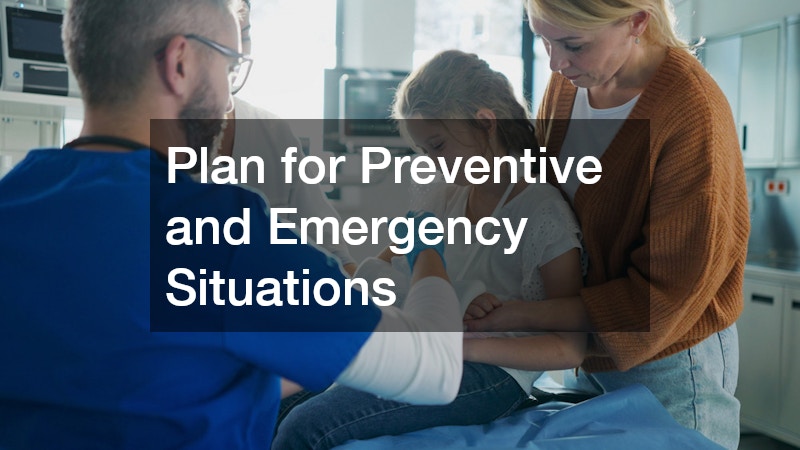
Being prepared for emergencies ensures that sudden health issues don’t derail your overall care plan. Preventive planning reduces the likelihood of costly and stressful medical interventions.
Emergency planning tips:
- Maintain an up-to-date list of emergency contacts, including your emergency dentist and primary care physician.
- Store medical records, allergy information, and prescriptions in a central, accessible location.
- Understand your legal rights regarding medical incidents by consulting a flu shot injury lawyer if necessary.
- Develop home protocols for common emergencies, including falls, allergic reactions, or sudden illness.
Preparedness allows you to respond quickly and effectively, minimizing health risks and stress.
Coordinate Technology and Home Systems
Technology and home infrastructure can play a significant role in supporting health at home. From digital reminders to safe water systems, these tools improve safety and compliance with care plans.
Ways to integrate technology and home systems:
- Use apps to track medication schedules, appointments, and health metrics.
- Implement smart devices for monitoring vitals, exercise, and sleep patterns.
- Ensure your water treatment systems are maintained to provide clean drinking water, supporting overall health.
- Incorporate telehealth services to consult with providers without leaving home.
Integrating technology reduces the burden of managing complex routines and ensures that no aspect of care is overlooked.
Maintain Mental Health While Managing Physical Care
Balancing multiple health responsibilities can take a toll on mental well-being. Stress management is essential for sustaining long-term care routines.
Mental health strategies:
- Practice mindfulness, meditation, or breathing exercises to reduce daily stress.
- Seek counseling or support groups for caregivers or those with chronic conditions.
- Participate in structured programs, such as outpatient intensive programs, to receive professional guidance and emotional support.
- Delegate tasks when possible to local home care providers to prevent burnout.
Addressing mental health ensures that managing physical care does not become overwhelming and helps maintain overall quality of life.
Review and Adjust Your Health Plan Regularly
Health needs evolve, and so should your care plan. Life changes, aging, new diagnoses, and adjustments in lifestyle all affect how you approach your medical, dental, and home health care. By regularly reviewing your plan, you can remain proactive, anticipate challenges, and respond effectively to new circumstances. Frequent adjustments ensure your approach continues to meet your current needs and long-term wellness goals, reducing stress and preventing small issues from escalating.
Review and adjustment tips:
- Reassess your weight loss programs and dietary plans periodically to reflect progress, shifting needs, or new medical guidance. Adjusting portion sizes, meal timing, or activity levels ensures that your efforts remain effective and sustainable.
- Update diabetes management routines based on current blood sugar trends, medication changes, or physician recommendations. Keeping logs of readings and reviewing them regularly can help prevent complications and improve overall control of the condition.
- Evaluate the effectiveness of in-home health care services and local support, making changes as necessary. Consider switching caregivers, altering visit frequency, or incorporating additional services if your needs evolve.
- Keep a flexible schedule for dental, medical, and home care visits to accommodate new appointments, emergency visits, or changes in routine. Flexibility prevents missed care opportunities and allows you to respond to unexpected events efficiently.
Additionally, involve your family members, caregivers, and healthcare providers in the review process. Collaborative discussions provide insight, identify potential gaps, and allow you to adjust your plan based on practical observations. Technology, such as health apps or digital calendars, can assist in tracking progress and scheduling adjustments. By consistently evaluating your health plan, you stay in control of your care, reduce preventable complications, and create a system that evolves with your lifestyle, ensuring that every aspect of your health—medical, dental, and home care—remains coordinated and effective.
Balancing dental, medical, and home health needs may seem daunting, but with structured routines, community support, and proactive planning, it is entirely achievable. By prioritizing daily habits, utilizing professional services, incorporating technology, and reviewing your plan regularly, you can maintain comprehensive health care at home. Taking small, consistent actions ensures long-term wellness and peace of mind.

Related Posts

When Is the Time Right for Assisted Living?

cold laser therapy