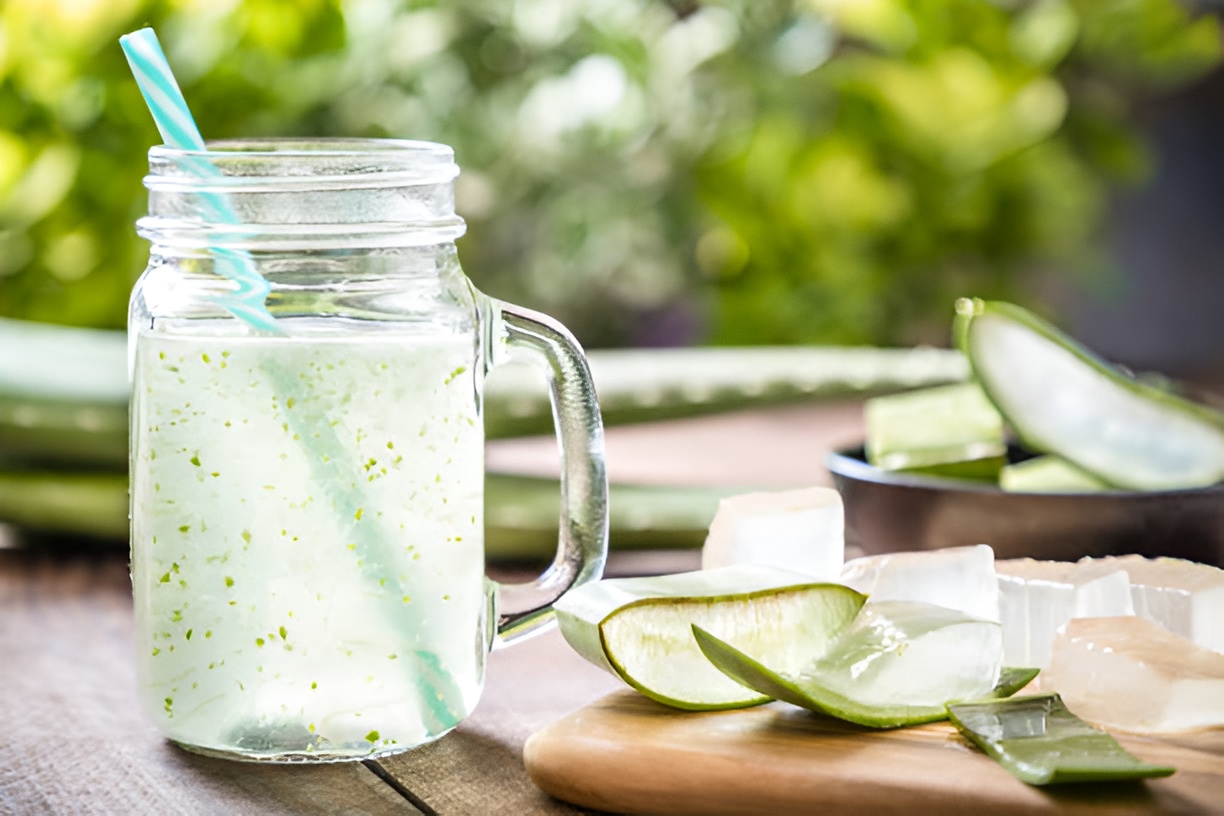
What Does Aloe Vera Juice Taste Like—and Why Do People Drink It Anyway?

- Aloe vera juice has a mild, slightly bitter taste that can feel vegetal or herbal, and it’s often an acquired taste.
- Different forms affect flavor and texture, from pure juice to flavored blends and drinks with aloe gel chunks.
- Bitterness varies by quality and processing, with higher-quality, well-filtered juice tasting smoother.
- Many people drink it for perceived health benefits, including digestive support, hydration, and skin wellness.
- Cold or blended preparations improve taste, making it more refreshing and easier to drink.
- Sweetened or flavored versions are popular for beginners, while unsweetened juice appeals to those seeking purity.
- Taste can vary across brands, but routine consumption and adaptation often make it more enjoyable over time.
If you’ve ever stood in the health food aisle staring at a bottle of aloe vera juice and thought, Why would anyone drink that?—you’re not alone. Aloe vera is famous for soothing sunburns and moisturizing skin, but drinking it? That raises a lot of questions. Chief among them: what does aloe vera juice actually taste like, and why has it become so popular?
In this article, we’ll break down the flavor experience honestly, explain why people keep buying it despite the taste, and explore whether aloe vera juice is something you might actually enjoy—or at least tolerate.
What Is Aloe Vera Juice, Exactly?
Aloe vera juice is made from the inner gel of the aloe vera plant. That gel is processed, filtered, and diluted into a liquid form that’s safe to drink. It’s important to note that drinkable aloe vera juice is very different from topical aloe gel. The outer leaf contains compounds called aloin that can be harsh or unsafe in large amounts, so reputable brands remove these during processing.
You’ll usually find aloe vera juice in one of three forms:
- Pure or nearly pure aloe vera juice
- Aloe juice blended with other juices like lemon, cranberry, or mango
- Aloe drinks with small chunks of aloe gel mixed in
Each version tastes a little different, which is why opinions on aloe vera juice vary so widely.
What Does Aloe Vera Juice Taste Like?
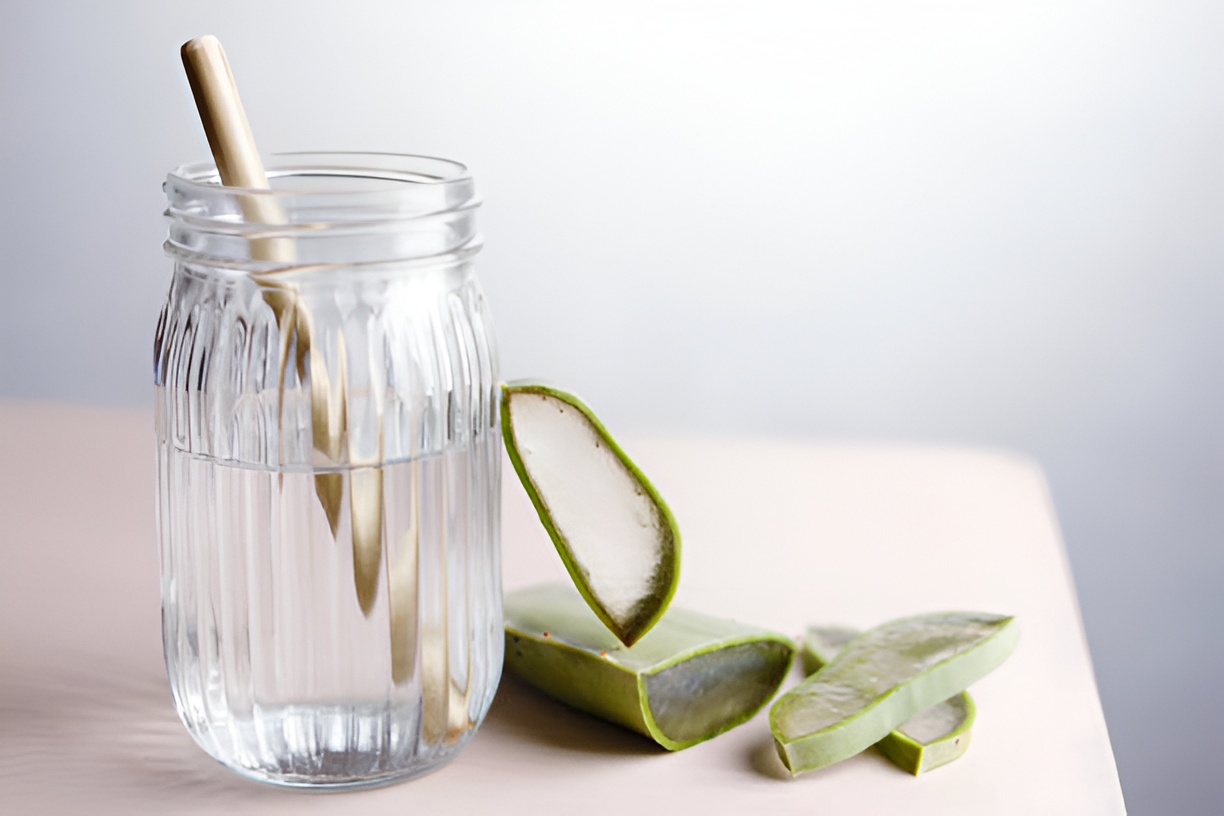
Let’s get straight to it: plain aloe vera juice has a mild but unusual taste. Most people describe it as:
- Slightly bitter
- Lightly vegetal or grassy
- Clean but not sweet
- Somewhat watery with a faint herbal aftertaste
If you’re expecting something fruity or refreshing like apple juice, you’ll be disappointed. Aloe vera juice doesn’t try to be indulgent. Its flavor is subtle and, for many first-time drinkers, underwhelming or even off-putting.
That said, the taste isn’t overpowering. It doesn’t linger aggressively, and many people find that they get used to it quickly.
Is Aloe Vera Juice Bitter?
Yes, bitterness is the most common complaint, especially with unsweetened, high-purity aloe juice. The bitterness is usually mild, not sharp, but it’s noticeable—especially if you’re sensitive to herbal flavors.
Factors that affect bitterness include:
- How concentrated the juice is
- Whether the aloin has been fully removed
- The quality and freshness of the aloe
- Whether it’s been blended with other ingredients
Lower-quality products tend to taste harsher, while well-processed aloe juice often has a cleaner, smoother flavor.
How Does Aloe Vera Juice Compare to Other Health Drinks?
If you’ve tried other wellness beverages, aloe vera juice fits into a familiar category.
Here’s how it stacks up:
- Compared to wheatgrass: much milder and less intense
- Compared to green juice: less sweet and less complex
- Compared to kombucha: less tangy and not fizzy
- Compared to coconut water: far less sweet and refreshing
Think of aloe vera juice as functional, not flavorful. It’s closer to taking a supplement than enjoying a treat.
Why Do Some Aloe Drinks Have Chunks?
Those little translucent cubes floating in some aloe drinks are pieces of aloe gel. Texture-wise, they’re often described as:
- Soft and slippery
- Slightly crunchy
- Similar to nata de coco or jelly
For some people, these chunks make the drink more interesting. For others, the texture is a deal-breaker. The taste itself doesn’t change much, but the mouthfeel definitely does.
Why Do People Drink Aloe Vera Juice Anyway?
Given the taste, it’s fair to ask why aloe vera juice has such a loyal following. The short answer is perceived health benefits.
People drink aloe vera juice because they believe it supports:
- Digestive health
- Gut comfort and regularity
- Hydration
- Skin health from the inside out
- Overall wellness routines
For many, aloe juice is part of a daily ritual, similar to taking apple cider vinegar or a greens supplement.
Aloe Vera Juice and Digestive Health
One of the biggest reasons people reach for aloe vera juice is digestion. Aloe has traditionally been used to soothe the digestive tract, and many drinkers report that it feels calming on the stomach.
Common reasons people drink it for digestion include:
- Occasional bloating
- Acid discomfort
- General gut sensitivity
- Supporting regular digestion
The taste becomes secondary when people associate the drink with feeling better afterward.
Does Aloe Vera Juice Taste Better Cold?
Absolutely. Temperature makes a big difference. When chilled, aloe vera juice tastes:
- Cleaner
- Less bitter
- More refreshing
Warm aloe juice tends to amplify the herbal notes, which most people find less pleasant. Drinking it cold or over ice is one of the easiest ways to improve the experience.
Can You Make Aloe Vera Juice Taste Better?

Yes, and many people do. Aloe vera juice is often treated as a base rather than a standalone drink. If you’re curious about how to make aloe vera juice enjoyably at home, there are several simple ways to improve the taste:
- Mixing it with lemon or lime juice
- Blending it into smoothies
- Diluting it with coconut water
- Adding a splash of cranberry or pineapple juice
- Mixing it into herbal tea once cooled
These additions don’t completely hide the aloe flavor, but they make it far more approachable.
Sweetened vs. Unsweetened Aloe Vera Juice
This is where personal preference really matters.
Unsweetened aloe vera juice:
- Tastes more bitter and herbal
- Is often chosen for purity
- Appeals to people used to natural supplements
Sweetened or flavored aloe juice:
- Tastes milder and more refreshing
- Is easier for beginners
- Often contains added sugars or sweeteners
If taste is your main concern, starting with a lightly flavored version is usually a better introduction.
Is Aloe Vera Juice an Acquired Taste?
For most people, yes. The first sip is rarely love at first taste. But because the flavor is subtle, many people adapt quickly.
After a week or two, drinkers often report:
- The bitterness becoming less noticeable
- The taste feeling “clean” rather than unpleasant
- A stronger association between the flavor and how they feel physically
This mental shift plays a big role in long-term acceptance.
Why Some People Actually Like the Taste
Believe it or not, some people genuinely enjoy aloe vera juice. They often describe it as:
- Refreshingly neutral
- Clean and light
- Not overly sweet
- Easy to drink daily
If you dislike sugary beverages or artificial flavors, aloe vera juice can feel like a welcome change.
Does Aloe Vera Juice Taste the Same Across Brands?
Not at all. Flavor can vary dramatically depending on:
- Aloe concentration
- Filtration methods
- Added preservatives
- Blending ingredients
- Freshness
Two bottles labeled “100% aloe vera juice” can taste surprisingly different. This is why first impressions aren’t always final.
Aloe Vera Juice vs. Eating Aloe Gel
Drinking aloe juice is very different from eating raw aloe gel. Raw gel has:
- A stronger bitterness
- A thicker, more slippery texture
- A more intense plant flavor
Juice is diluted and processed, making it far easier to consume regularly.
Who Should Be Cautious About Drinking Aloe Vera Juice?
While many people enjoy aloe vera juice without issues, it’s not for everyone.
People who should be cautious include:
- Those with sensitive digestion
- Pregnant or breastfeeding individuals
- Anyone taking medications affected by digestion or absorption
Taste aside, moderation matters, and aloe juice is usually consumed in small amounts rather than large glasses.
Is Aloe Vera Juice Worth Drinking If You Hate the Taste?
This depends on your priorities. If taste is non-negotiable, aloe vera juice may never be your favorite. But if you’re motivated by routine, wellness goals, or digestive comfort, the taste often becomes manageable.
Many people don’t drink aloe juice because they love it. They drink it because:
- It’s quick
- It fits into their routine
- They believe it helps them feel better
The Bottom Line
So, what does aloe vera juice taste like? The honest answer is mild, slightly bitter, and herbal, with a clean finish that’s more tolerable than delicious. It’s not meant to compete with fruit juice or soda, and it doesn’t try to.
People drink aloe vera juice anyway because the taste is just mild enough to tolerate—and because they value what it represents: a simple, plant-based addition to their daily routine.
If you go in expecting a health supplement rather than a refreshing beverage, you’re far more likely to understand why aloe vera juice has earned its place in so many refrigerators.

Related Posts

When Is the Time Right for Assisted Living?

cold laser therapy